HGH 191AA, also known as somatropin, is the bioidentical version of human growth hormone. It’s designed to match the exact growth hormone your body naturally produces in the pituitary gland.
The “191AA” part simply refers to its structure. It contains 191 amino acids, which is the same amino acid sequence found in natural human growth hormone.
Older synthetic versions of HGH used a slightly different structure called 192AA, which included an extra methionine amino acid. Modern pharmaceutical HGH products moved away from that years ago because 191AA is better tolerated and far more biologically compatible.
The goal in this guide is to keep the science accurate while making everything easier to understand.
Important disclaimer: HGH is a prescription medication in many countries. This article is for educational purposes only and should not replace medical advice from a qualified healthcare professional.
What Is HGH 191AA?
- a single-chain polypeptide hormone
- containing exactly 191 amino acids
- with a molecular weight of roughly 22 kilodaltons (22 kDa)
Why Human Growth Hormone Matters
Growth hormone does much more than simply affect height. Throughout life, HGH plays a role in:
✓ muscle maintenance
✓ fat metabolism
✓ tissue repair
✓ recovery
✓ bone density
✓ skin quality
✓ energy levels
✓ cellular regeneration
During childhood and adolescence, HGH is essential for growth and development. In adults, it becomes more connected to recovery, metabolism, body composition, and long-term tissue maintenance.
| 1950s–1985: Cadaver-Derived HGH | 1985: Recombinant HGH Arrives |
|---|---|
|
The earliest HGH treatments were extracted from human cadaver pituitary glands. That practice ended after contaminated batches were linked to cases of Creutzfeldt-Jakob disease (CJD), which is a rare but fatal neurological disorder. |
Biotech companies eventually developed recombinant HGH using engineered bacteria. |
| 1987: True 191AA HGH |
|---|
|
Later, pharmaceutical companies released true bioidentical HGH. One of the first was Humatrope. This version matched the body’s natural HGH structure exactly. That quickly became the new standard. Today, essentially all legitimate pharmaceutical HGH products are 191AA formulations. |
HGH 191AA vs 192AA: What’s the Difference?
This is one of the most important distinctions in HGH research.
HGH 191AA
- Contains exactly 191 amino acids
- Structurally identical to natural human HGH
- Lower risk of immune reactions
- Current pharmaceutical standard
Examples:
- Genotropin
- Norditropin
- Humatrope
- Omnitrope
HGH 192AA
Also called:
- Somatrem
- Methionyl HGH
- Met-hGH
This older version contained an extra methionine amino acid and had 192 amino acids total. The problem wasn’t necessarily effectiveness. The issue was immunogenicity.
Why 192AA Fell Out of Use
The extra methionine made the hormone slightly “foreign” to the body. Over time, some users developed:
- antibody formation
- injection site reactions
- reduced response
This became more noticeable after roughly 4+ months of use. Research showed both versions produced similar biological activity initially, but 191AA had much better long-term tolerance. That’s why modern pharmaceutical HGH moved almost entirely to 191AA.
How HGH 191AA Works
HGH works through two main pathways.
1. Direct Effects
Growth hormone binds directly to growth hormone receptors throughout the body.
This influences:
- protein synthesis
- fat metabolism
- cellular repair
- tissue growth
- recovery
2. Indirect Effects Through IGF-1
A large percentage of HGH’s anabolic effects happen indirectly. Here’s the simplified version:
- HGH stimulates the liver
- The liver produces IGF-1 (Insulin-like Growth Factor-1)
- IGF-1 then circulates through the body
IGF-1 is heavily involved in:
- muscle growth
- tissue repair
- recovery
- bone remodeling
This relationship is often called the GH–IGF-1 axis
Natural HGH Release Is Pulsatile
Your body does not release HGH constantly. Instead, it’s released in pulses. The largest pulse usually happens during deep sleep. Other things that increase natural GH release include:
- exercise
- fasting
- low blood glucose
- stress
- ghrelin signaling
Natural production gradually declines with age, often around 14% per decade after age 30
Benefits of HGH 191AA
The benefits most often associated with HGH are closely tied to dosage, duration of use, baseline hormone levels, and overall lifestyle. Results are usually gradual rather than dramatic overnight changes.
Improved Body Composition
Lean Muscle Mass
HGH supports:
- protein synthesis
- muscle repair
- nitrogen retention
Studies in GH-deficient adults often show 5–10% increases in lean body mass over time
Fat Loss
HGH is strongly lipolytic, meaning it helps mobilize stored fat. Abdominal fat tends to respond particularly well. Research commonly shows:
- reductions in visceral fat
- improved fat oxidation
- increased metabolic activity
Recovery and Healing
One reason HGH became popular in sports and recovery circles is its role in tissue repair. Potential benefits include:
- faster workout recovery
- tendon support
- improved wound healing
- better connective tissue repair
Many users also report reduced soreness and improved training frequency tolerance
Bone Health
Growth hormone stimulates:
- osteoblast activity
- bone remodeling
- calcium utilization
Effects on bone density usually take longer to appear, often 12–24 months
Skin and Collagen Support
HGH can increase collagen synthesis, fibroblast activity, and skin thickness. Some users notice:
- improved skin elasticity
- smoother skin texture
- faster healing
Energy, Mood, and Cognitive Effects
People with low GH levels often report fatigue, low motivation, poor recovery, and reduced exercise capacity. HGH replacement may help improve:
- energy
- mood
- sleep quality
- overall well-being
HGH 191AA Dosage Protocols
Dosages vary heavily depending on:
- medical use
- anti-aging goals
- body composition goals
- athletic performance use
HGH is commonly measured in IU (International Units)
Conversion:
- 1mg ≈ 3 IU
- 1 IU ≈ 0.33mg
Medical Replacement Dosing
Most physicians start low and increase gradually. For diagnosed growth hormone deficiency, typical ranges:
|
Starting Dose |
0.5–1 IU/day |
|
Maintenance |
around 1.2–2.4 IU/day |
Anti-Aging / Wellness Dosing
- Common off-label ranges: 1–3 IU/day
- Often used: 5–6 days weekly
The goal here is usually recovery, energy, body composition, and healthy aging support, rather than aggressive muscle gain.
Body Composition / Fat Loss Dosing
Common ranges: 2–4 IU/day. This is where many physique-focused users fall.
Bodybuilding and Performance Dosing
More advanced protocols sometimes use:
- 4–10+ IU/day
However, side effects rise significantly as doses increase. Higher doses dramatically increase the risk of:
- water retention
- insulin resistance
- joint pain
- carpal tunnel symptoms
- acromegaly-like effects over time
Starting Low Matters
Most experienced clinicians prefer gradual titration. A common approach looks like:
|
Weeks |
Daily Dose |
|
1–2 |
1–2 IU |
|
3–4 |
2–3 IU |
|
5–6 |
3–4 IU |
This helps minimize edema, numbness, bloating, and joint stiffness.
Best Time to Inject HGH
Before Bed (Most Common)
This timing attempts to mimic the body’s natural nighttime GH pulse.
Benefits:
- convenient routine
- may support sleep quality
- aligns with overnight fasting
Morning Fasted
Some users prefer fasted morning injections, especially when focusing on fat loss and fasted cardio
Split Dosing
At higher doses, some people split injections:
- morning + evening
- morning + post-workout
This may reduce side effects for some users.
Injection Basics
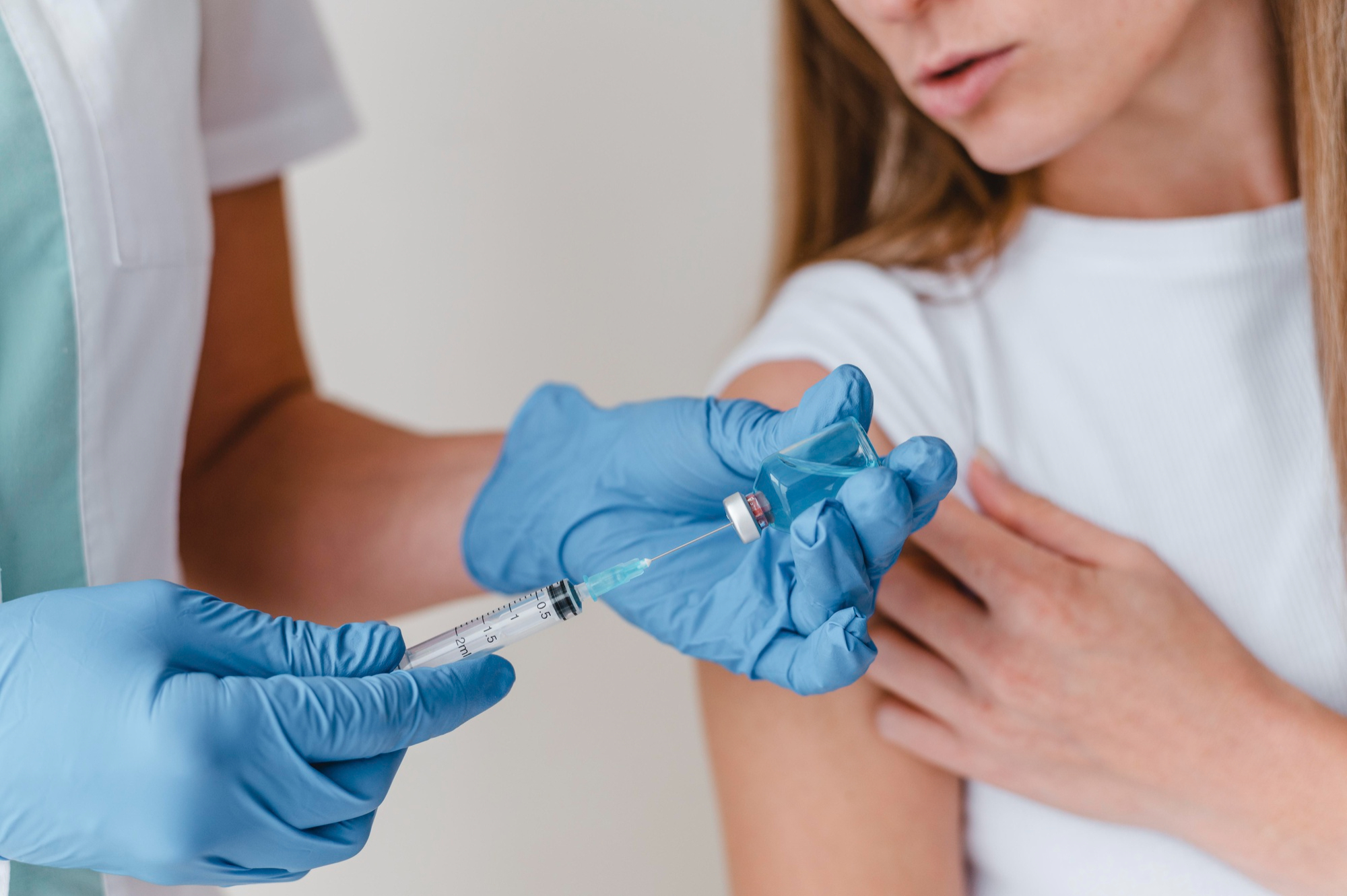
HGH is usually injected subcutaneously (SubQ). Meaning, into fat tissue under the skin
Common sites:
- abdomen
- thigh
- upper arm
- glute area
Rotating injection sites matters to avoid irritation and localized fat loss.
Reconstitution and Storage
Reconstitution Basics
HGH usually arrives as freeze-dried powder. It’s mixed with bacteriostatic water. Important:- Inject water slowly against the vial wall
- Never shake the vial
- Gently swirl instead
Storage Rules
Before Mixing- refrigerate when possible
- protect from heat and light
- refrigerate immediately
- usually stable for 14–28 days, depending on the diluent
- freeze HGH
- shake HGH
- expose it to high heat
Common Side Effects
Most side effects are dose-related. Lower doses are generally much easier to tolerate.
- Fluid Retention: Symptoms include swollen hands, ankle swelling, and facial puffiness. Usually improves after dose adjustment.
- Joint Pain and Stiffness: Especially common at higher doses. Hands, wrists, knees, and ankles are frequent complaint areas.
- Carpal Tunnel Symptoms: Some users experience numbness, tingling, and nerve compression sensations. This is usually connected to fluid retention.
- Blood Sugar Effects: HGH can reduce insulin sensitivity. Higher doses may raise fasting glucose levels, worsen insulin resistance, and increase the risk of diabetes in susceptible individuals.
Serious Risks
HGH should not be used in people with:
- active cancer
- uncontrolled diabetes
- proliferative diabetic retinopathy
- severe acute illness
Long-term abuse at very high doses may also increase the risk of acromegaly-like tissue growth
Recommended Monitoring
Good monitoring usually includes:
|
Every 1–3 Months |
Every 3–6 Months |
Every 6 Months |
|
|
|
|
|
|
|
HGH 191AA vs Peptides Like Ipamorelin or CJC-1295
This comparison comes up constantly.
HGH 191AA
Provides:
● active cancer
● uncontrolled diabetes
● proliferative diabetic retinopathy
● severe acute illness
But at a higher cost and greater suppression of natural GH production.
Secretagogues (Ipamorelin, CJC-1295, Sermorelin)
These stimulate your own GH release instead.
Advantages:
- preserve natural GH pulsatility
- often milder side effect profile
- lower cost
But the response varies more, usually less potent overall
MK-677 (Ibutamoren)
MK-677 is oral rather than injectable.
Pros:
- convenient
- strong IGF-1 elevation
Cons:
- increased hunger
- more water retention
- prolonged GH elevation rather than natural pulses
Realistic Expectations
This part is important. HGH is not magic. It works best when training is consistent, sleep is good, nutrition is dialled in, and recovery is prioritized. Most people notice improvements in recovery first, then body composition changes later. Visible transformation usually takes several months, not several weeks
Understanding HGH 191AA in Context
HGH 191AA remains the standard form of recombinant human growth hormone because it’s structurally identical to the hormone naturally produced by the body. Compared to older 192AA formulations, it offers better long-term tolerance, lower antibody risk, and more reliable clinical use. When used appropriately and monitored properly, HGH 191AA may support lean muscle retention, fat loss, recovery, skin quality, bone health, energy levels, and overall body composition. And like any performance or recovery tool, HGH works best when the fundamentals are already in place, like sleep, training, nutrition, stress management, and recovery habits.
Frequently Asked Questions
Why is HGH measured in IU instead of milligrams?
HGH is commonly measured in International Units (IU) because biologic hormones are often standardized by biological activity rather than just weight alone. Different compounds can have varying activity per milligram, so IU helps standardize dosing across pharmaceutical products.
Why do some users report facial puffiness early on?
Fluid retention is one of the most common early side effects of HGH. Sodium and water retention can temporarily create a puffy face, swollen fingers, tight rings, and mild ankle swelling. This often improves after dose adjustments or as the body adapts over several weeks.
Is it normal for HGH to sometimes make post-meal blood sugar feel “off”
Yes. HGH temporarily reduces insulin sensitivity in certain tissues. After carbohydrate-rich meals, this can lead to slightly higher post-meal glucose spikes, slower glucose clearance, and a feeling of mild sluggishness in some individuals. This effect is dose-dependent and usually more noticeable at higher ranges.