
SALE!
← Back to all peptides
IN STOCK
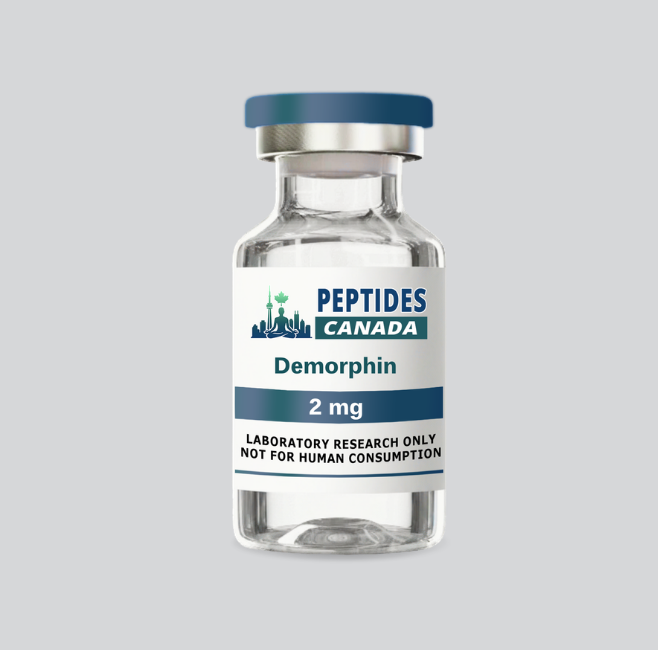
Demorphin
$180.00
$187.00
Save $7.00
Shop Demorphin on Limitless Life
About Demorphin
Dermorphin is a naturally occurring heptapeptide first isolated from the skin secretions of South American Phyllomedusa frogs. One of its most distinctive features is the presence of a rare D-alanine residue. This contributes to the increased resistance to enzymatic degradation and enhanced metabolic stability compared with typical L-amino acid peptides.
Scientific interest in dermorphin grew after studies demonstrated very high analgesic potency in animal models.
Dermorphin exerts its effects primarily through strong and selective binding to μ-opioid receptors (MOR). The presence of the D-alanine residue contributes to receptor affinity and metabolic stability, particularly by increasing resistance to peptidase degradation.